
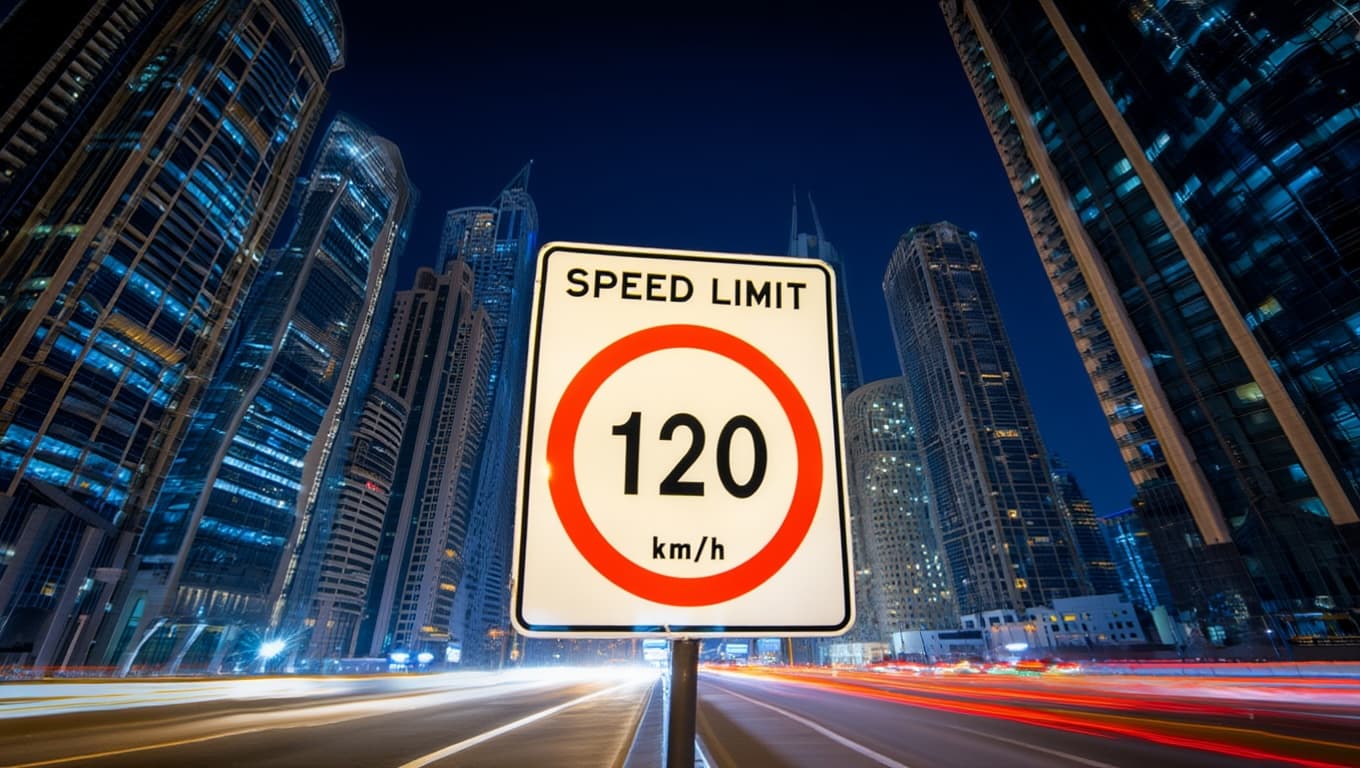
Speed Limits in Dubai and the UAE: What You Need to Know
Guide in 1 Minute
In the UAE, road safety is a top priority, and the regulations can be a bit confusing for first-timers. From Dubai's "buffer" rule to Abu Dhabi’s strict limits, here is everything you need to know to drive like a local.
Book in under 60 seconds.
No deposit options. Pay on delivery.
With Rentop, you reserve the exact car model shown. Real-time availability, clear conditions, and verified local partners.
Speed limit Dubai, Sharjah, Ajman, Ras Al Khaimah, Fujairah, and Umm Al Quwain
Driving in the UAE: A Practical Guide to Speed Limits (and Avoiding Fines) Renting a car with Rentop gives you the ultimate freedom to cruise down Dubai’s iconic boulevards or explore the rugged beauty of the Northern Emirates. However, to keep your road trip stress-free, it’s essential to understand the local "rules of the road."
In the UAE, road safety is a top priority, and the regulations can be a bit confusing for first-timers. From Dubai's "buffer" rule to Abu Dhabi’s strict limits, here is everything you need to know to drive like a local.
Dubai and the Northern Emirates: The "+20" Rule If you’re starting your journey in Dubai, you’ll quickly notice a unique local quirk: the "Speed Buffer." In most emirates including Dubai, Sharjah, Ajman, Ras Al Khaimah, Fujairah, and Umm Al Quwain there is a 20 km/h grace margin above the posted sign.
Essentially, if you see a sign for 100 km/h, the speed cameras will only flash once you hit 121 km/h. It’s a helpful safety net, but be careful: if you reach 121 km/h, the fine kicks in immediately, and it isn't cheap!
On Sheikh Zayed Road: Limits are usually 100 or 120 km/h (meaning a real limit of 120 or 140 km/h).
In the City: Main arteries typically range between 60 and 80 km/h.
Abu Dhabi: Zero Tolerance
Take note! This is where most drivers get caught off guard. As soon as you cross the border into the Emirate of Abu Dhabi, the rules change completely. In 2018, Abu Dhabi authorities removed the speed buffer to make the signs easier to follow.
In Abu Dhabi, the speed on the sign is the maximum speed allowed. If the sign says 140 km/h, the camera will flash at 141 km/h. There is no grace margin. Our pro tip at Rentop? Use your cruise control the moment you cross the invisible border between emirates to avoid any unwanted surprises on your credit card statement later.
Watch Out for Mountain Roads and Work Zones If you’re renting an SUV to explore the heights of Jebel Jais in Ras Al Khaimah or the winding roads of Hatta, stay extra vigilant. Speed limits can drop from 100 km/h to 40 km/h in a heartbeat when approaching sharp turns or construction zones.
Mobile radars are very common in these transition areas. Also, keep an eye on the overhead digital gantries on the highways; they can change the speed limit in real-time during heavy fog, rain, or accidents.
Quick Cheat Sheet for Your Trip
| Destination | What the sign says | What you should do |
|---|---|---|
| Dubai, Sharjah, Ajman, Ras Al Khaimah, Fujairah, and Umm Al Quwain | 100 km/h sign | You can safely drive up to 120 km/h |
| Abu Dhabi | 140 km/h sign | Do not exceed 140 km/h |
| Residential Areas | 40 km/h sign | Stick to 40 km/h (pedestrians have total priority) |
The Bottom Line
Driving in the UAE is a smooth and enjoyable experience as long as you respect these nuances. At Rentop, we ensure all our vehicles are perfectly maintained to give you the most accurate handling and speedometer readings.
One last expert tip: download Waze. It is highly accurate in the UAE and will alert you to most fixed and mobile speed cameras in real-time.
Drive safe and enjoy your journey under the Arabian sun!
Written by Rentop Team
Providing verified automotive insights since 2024. Our content is reviewed by local experts to ensure accuracy.
